Positive Psychology Coaching and Outdoor Coaching
Positive Psychology Coaching uses Positive Psychology Interventions and integrates coaching theory and practice from Positive Psychology, with the central aim of improving wellbeing through coaching (van Nieuwerburgh et al., 2022). These evidence-based approaches and interventions are implemented within an applied coaching context. This positions outdoor coaching as Positive Psychology Coaching, often incorporating nature-based Positive Psychology Interventions, to harness the benefits of being in nature for client wellbeing within the coaching context. Specific wellbeing benefits of coaching outdoors have been reported (e.g., Palmer & O’Riordan, 2019), although research remains limited. Various terms exist in the literature to describe this coaching practice, e.g., Outdoor Coaching, Nature Coaching, and Walk and Talk Coaching.
The Benefits of Being in Nature
It is widely accepted that time spent in nature offers many benefits for individual wellbeing, community connection, and the planet. Time spent in nature can support mental and physical health, reduce stress, and even encourage more sustainable behaviours.
A systematic review of nature-based activities (Coventry et al., 2021) and a meta-synthesis of outdoor talk therapies (Cooley et al., 2020) outline the substantial body of evidence on the wellbeing benefits of spending time in nature, along with the proposed theoretical underpinnings of those benefits. This evidence base has informed nature-based Positive Psychology Interventions (e.g., Keenan et al., 2021) and given rise to a variety of nature-based practices, such as coaching conversations facilitated outdoors (van den Berg & Beute, 2021).
Outdoor Coaching – The Start of My Journey
When I first started offering wellbeing interventions and coaching outdoors, I assumed there was generally equal access to nature spaces. I knew that not everyone had green and blue spaces within easy reach, but I did not think beyond that. I held a naïve, ableist view that everyone can access nature and that it is there for us all. But when I started talking to friends and colleagues and considering how I would support a variety of clients with differing needs to access and enjoy outdoor coaching, I began to unpack my own privilege and unconscious bias regarding nature and outdoor spaces.
I began to realize that accessing nature and nature spaces was far more complex than I had originally thought, and I started to understand just how many barriers there can be to participation in nature-based activities.
Barriers to Accessing Nature
Lack of green spaces, lack of public toilets, no beach access, and overgrown paths that cannot support wheelchairs or rollators are just a few barriers for people with different abilities or long-term health conditions. Sensory overload, wayfinding concerns, heightened anxiety and fears, parking costs, and lack of public transport are also part of the long and varied list of barriers. Natural England has reported that people living with disabilities, people from ethnic minority backgrounds, older people and those living in low-income areas are all under-represented in the UK’s natural spaces (Rishbeth et al., 2022). They also report on the experiential, structural, and cultural barriers to participation in nature that those groups experience (Rishbeth et al., 2022).
All too often, I see outdoor coaches offering ‘Walk and Talk coaching’ or sharing amazing pictures of beautiful, yet inaccessible spaces for outdoor coaching sessions.
In 2019, at the European Institute for Outdoor Adventure Education and Experiential Learning (EOE Network) conference, the overarching theme was to celebrate diversity and inclusion in the outdoors. A special issue of articles on inclusion in the outdoors was compiled into one report (Aylward & Mitten, 2022), which states:
“Likely no outdoor professional intends to be ableist, racist, genderist, or sexist. However, we can be unintentionally if we are not educated” (Aylward & Mitten, 2022).
Barriers to Participation in Outdoor Coaching
This struck me so strongly that three years ago, while studying for my master’s degree in Applied Positive Psychology and Coaching Psychology, I committed my dissertation research to exploring barriers to participation in outdoor coaching. We know there are wellbeing benefits to being in nature. We know there are benefits to coaching in nature. And we know there are coaches offering outdoor coaching. But I was interested in the gaps – are there potential clients who feel a pull towards outdoor coaching but find it challenging to access? Do outdoor coaching clients experience barriers to participating in nature spaces? How does that impact their outdoor coaching journey?
I wanted to listen to the voices that are not currently being heard in the literature.
However, after six months of active recruitment, I had not been able to find anyone with disabilities who had accessed outdoor coaching. I was, however, able to find participants who had WANTED to take part in outdoor coaching but felt unable to – those who had experiences that led them to feel like “I don’t fit” and that nature spaces “aren’t for me.”
The wonderful participants who took part had a variety of lived experiences of long-term health conditions, disabilities and neurodivergence. They all spoke about the layers of ableism they had encountered and the long list of factors that made outdoor coaching – even though they wanted to access outdoor coaching – feel out of reach.
I also found coaches working outdoors who actively used their lived experiences to consider accessibility needs for marginalized groups, yet still recognized gaps between clients and coaches when coaching in this way.
Access to nature is layered with privilege, and outdoor coaching, as a nature-based activity, also has inherent barriers to participation. By recognizing this, we can start asking better questions, challenging assumptions, and acting, however small, to make our coaching, parks, green spaces, and coastlines more inclusive and welcoming for everyone.
Implications for Outdoor Coaches
If the “heart of Nature Coaching is the reconnection of the coachee with Nature” (Tedoldi, 2019), then I would suggest that the first responsibility of outdoor coaches is to identify and work to remove barriers to participation, so that we give our clients the opportunity to reconnect with nature.
Adjustments for outdoor coaching are evident in the literature, for example, altering routes for those with mobility challenges (Turner, 2017). But first, how and when is that communicated as an option? If ‘walk and talk coaching’ with photos of uneven paths is offered, the terminology and imagery may be a barrier before clients with varying needs even consider making contact to discuss adjustments. As coaches, we should ensure accessibility throughout the whole client journey and not put the burden of requesting adjustments on the client. As outdoor coaches, we need to take the initiative in thinking about this and setting out our way of working that is accessible.
As a coach, I am keen to continue to learn and understand more about barriers to accessing nature spaces as part of my own development. I wholeheartedly agree with Filsinger’s assertion that coaches must “reflect on how their individual diversity characteristics influence their approach” (Filsinger, 2021), as I continue to unpack my assumptions and unconscious bias.
However, I also feel that, as a profession, we, as coaches, need to be aware of these wider challenges and how they may impact our offers of outdoor coaching in nature.
A Coaching Call to Action
I hope this article serves as a call to action for other coaches to reflect on their practice and explore ways to make outdoor coaching more accessible to those who may face barriers to spending time in nature, so that everyone has the opportunity to enjoy the wellbeing benefits nature offers.
In closing, I invite you to consider and reflect on the following inquiry:
-
Who may feel excluded from my coaching practice and why?
-
How could I be proactive in adapting my marketing and coaching practice to increase accessibility?
-
When looking around a local nature space, see it with fresh eyes. Can everyone access this space? If not, why not?
Authors
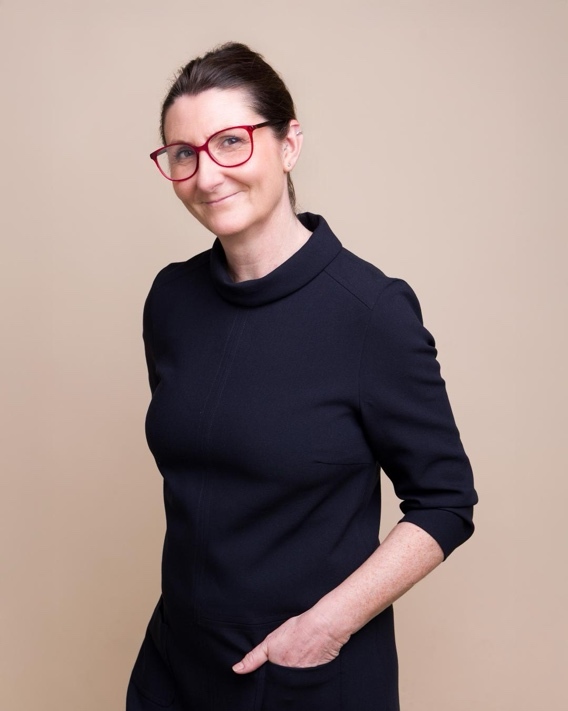
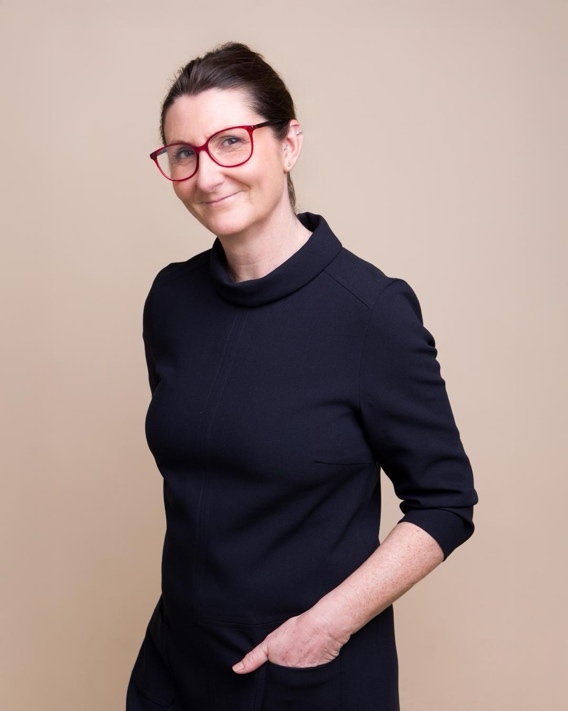
Ruth Geddes is a Positive Psychology practitioner with an MSc in Applied Positive Psychology and Coaching Psychology, and is accredited as a Senior Practitioner Coach with the European Mentoring and Coaching Council (EMCC). Her MSc research explored barriers to participation in outdoor coaching, with a particular focus on accessibility, inclusion, and the contextual factors that shape how people engage with nature-based coaching.
Her coaching practice weaves together working in and with nature to support wellbeing, flourishing, and sustainable change, particularly during periods of transition. Her approach is strengths-focused, reflective, and grounded in a deep respect for her clients’ lived realities.
She has a particular passion for the quiet power of local, everyday nature: parks, paths, trees, weather, and moments that are often overlooked. Ruth’s work gently challenges the idea that nature-based coaching must happen in remote or idealized settings, advocating instead for approaches that are accessible, inclusive, and rooted in the places people already inhabit.
Alongside her coaching and supervision practice, Ruth works in a multi-disciplinary Student Wellbeing team in Higher Education as a Wellbeing Team Manager, leading strengths-focused wellbeing provision, delivering supervision, training and wellbeing initiatives and events.
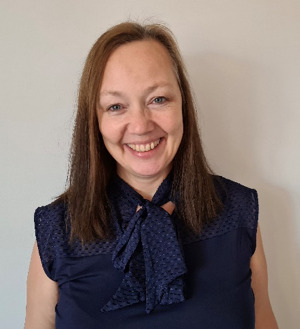
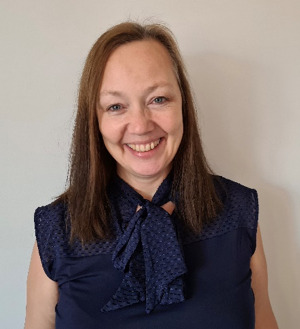
Dr. Alison Bishop is a resilience coach and researcher with a deep passion for supporting professional women in the sandwich generation—those caring for both aging parents and children while building their careers.
Through her PhD research on resilience among caregivers facing continuous challenges, Dr. Bishop developed the Resilience Cycle and Resilience Signature models, which were published in the International Journal of Applied Positive Psychology. These compassionate, evidence-based frameworks form the heart of The RIVER Method, her coaching approach that helps women move from overwhelm to sustainable thriving.
Having formerly lectured in Positive Psychology Coaching at the University of East London’s MAPPCP program, Dr. Bishop now brings her expertise to private coaching, group programs, and transformational workshops through Resilience Resourced. She also serves as faculty at the Institute of Positive Psychology Coaching, where she shares her knowledge with coaches and professionals seeking to support others’ resilience and wellbeing.
Dr. Bishop has presented her research internationally and brings both professional expertise and personal understanding—having navigated the demands of the sandwich generation herself. She is continually inspired by the courage of individuals who face their challenges head-on and create meaningful change in their lives.