

INTRODUCTION AND LITERATURE REVIEW
Financial illiteracy is not a mere personal oversight—it is a systemic vulnerability (Gao et al., 2025). Globally, low financial literacy is especially acute among women, young adults, migrants, and individuals in low-income or precarious work (Lusardi & Mitchell, 2014; OECD, 2023). This deficit often leads to a cascade of consequences: poor financial decision-making, exposure to predatory lending, reduced access to stable housing and healthcare, and entrapment in insecure or exploitative employment (Kempson et al., 2017).
Workers lacking financial knowledge tend to face higher workplace stress, greater absenteeism, and reduced productivity—reinforcing cycles of low pay and labour inequality (Atkinson & Messy, 2012).
Despite growing awareness of these disparities, most financial interventions remain transactional—centred on budgeting or education—without addressing the behavioural, emotional, and psychological mechanisms behind money-related decisions (Klontz & Klontz, 2009). Such corrective transactional interventions (financial advice, etc.), conducted at the individual level, do not solve the issue sustainably and may even lead to counterproductive behaviours without addressing underlying psychological needs (Matz et al., 2019).
Hence, an approach is needed that targets mindset by actively reformatting how an individual thinks, feels, and behaves regarding financial matters. Coaching can serve as a transformational bridge, becoming a catalyst for lasting changes in financial behaviour (Collins & O’Rourke, 2012). Coaching, particularly when grounded in positive psychology, offers such a transformative alternative: one that centers agency, purpose, character strengths, and reflective action (Biswas-Diener, 2010; Grant, 2017). This article proposes that Positive Psychology Coaching (PPC), when integrated with self-leadership and purpose-oriented inquiry, holds promise as a framework for financial flourishing.
Financial well-being: definition & limitations
The components and conceptualization of financial well-being are unclear, and no widely accepted definition exists. Brüggen et al. (2017) explained this concept as the perception of desired financial independence and living standards. Researchers pointed to the subjective nature of financial well-being, as it relies more on individual interpretation than objective measurement (Brüggen et al., 2017; Singh & Malik, 2022).
Financial well-being today is an established area of research (CIPD, 2021). Moreover, financial well-being includes four broader elements: financial attitudes and knowledge, objective and subjective financial status, and financial behaviour.
A favourable work environment and financial conduct have a positive impact on financial well-being (Irving, 2012). Meanwhile, financial stress affects the prevalence of anxiety, depression, and social exclusion. Financial well-being is often underestimated and remains on the sidelines (Singh & Malik, 2022); however, it has recently attracted multidisciplinary interest and plays a crucial role in human resource practices (Mahendru et al., 2022).
While financial well-being is becoming increasingly important to employers, insufficient research has focused on individuals’ relationships with money, even though they are unique to each person and have special meaning (BPS, 2024). Meanwhile, perceived financial well-being does not have a universally accepted conceptual definition. Findings about this concept can have important implications for employers in promoting employee well-being and productivity (Netemeyer et al., 2018). Furthermore, researchers have not examined financial well-being through the components of positive self-leadership; they have considered only overall well-being (Carr, 2022; Seligman, 2002).
Financial well-being and positive psychology
Recent positive psychology literature shifts focus from fixing financial problems to flourishing through financial resources and positive emotions (Enete et al., 2022). Financial stability has been increasingly connected with prosperity and a positive impact on all other life aspects (Weziak-Bialowolska et al., 2021). The conscious use of money is recognized as a valuable factor in achieving financial well-being and improved quality of life (Gonzalez & Byron, 2009). The model of positive self-leadership includes mindfulness, strength-based decision-making, and authentic engagement as its significant elements (Du Plessis, 2019), which corresponds to the concept of perceived financial well-being.
Netemeyer et al. (2018) conceptualized perceived financial well-being as two related but distinct concepts: the stress associated with money management and the anticipated level of future financial stability. Moreover, perceived financial self-efficacy enhances responses to challenging events and helps to avoid poor financial behaviour and related financial worries (Hadar et al., 2013; Netemeyer et al., 2018). Positive psychology is increasingly focused on exploring and promoting high levels of well-being, which refers to living at the highest possible level of individual functioning (Carr, 2022; Ryff, 2022; Seligman, 2011). Positive psychology has also been examined and integrated into financial planning (Klontz et al., 2022), creating a natural alignment through positive financial planning (Asebedo & Seay, 2015). In addition, positive psychology expands beyond traditional problem-solving to embrace well-being and meaning in life (Iannello et al., 2021; Klontz et al., 2022). Subsequently, financial well-being is mainly viewed as a subjective perception, rooted in the principles of positive psychology (Arnold & Randall, 2020).
The role of positive self-leadership
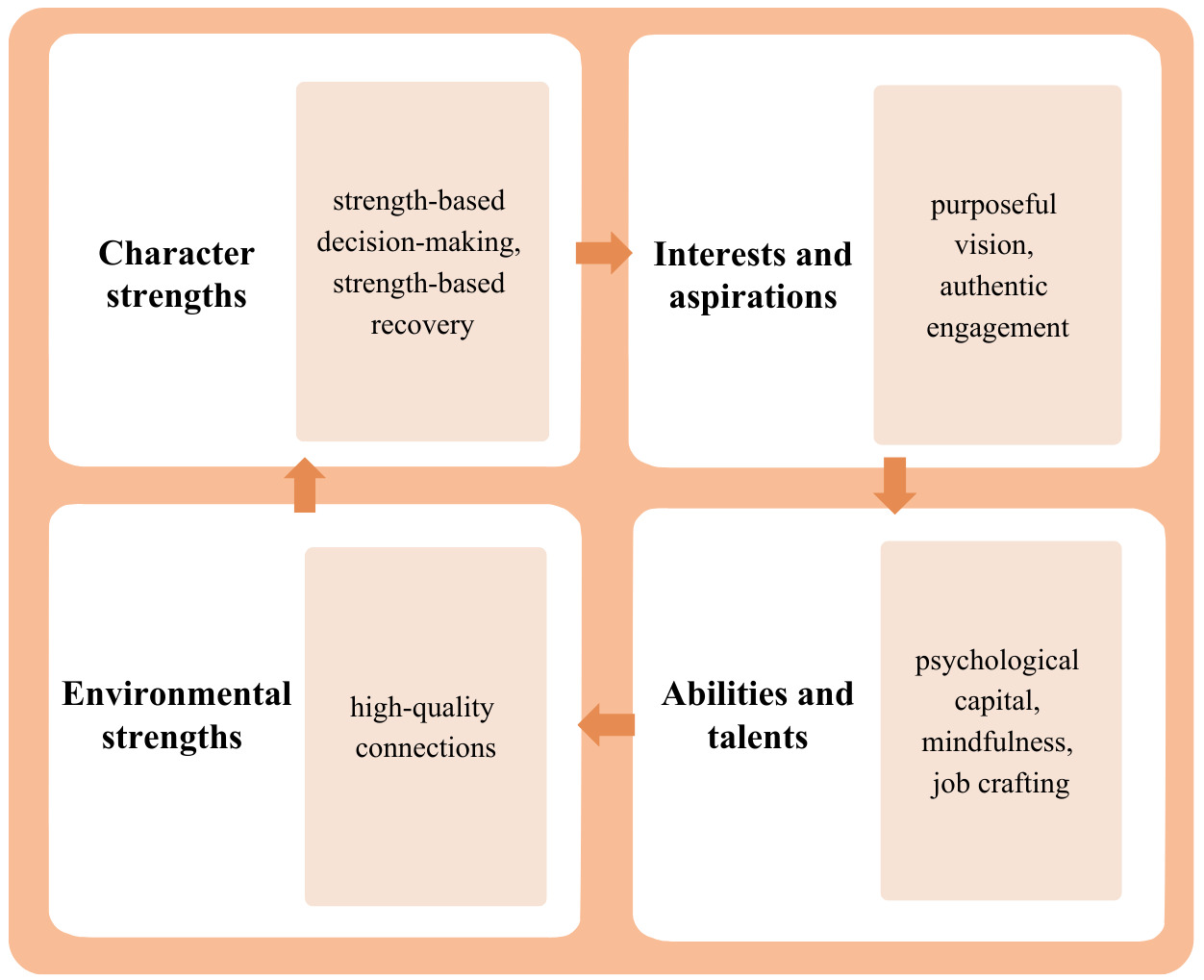
Research shows that financial well-being requires psychological capabilities, including self-awareness and behavioural self-regulation (Baumeister & Vohs, 2004; Netemeyer et al., 2018). Recognizing one’s character strengths and mobilizing them in financial contexts contributes to both immediate problem-solving effectiveness and long-term psychological well-being (Peterson & Seligman, 2004). Marieta du Plessis (2019) presents the concept of positive self-leadership by utilizing the strengths-based capabilities framework (Stander & Van Zyl, 2019) and creating the positive self-leadership capability model (see Figure 1). Du Plessis (2019) argues that positive self-leadership depends on a person’s ability to realize their inner potential by optimizing character strengths, hidden abilities and talents, gathering resources from the environment, and nurturing them with aspirations and interests.
This study aimed to incorporate the proposed framework by utilizing its components for application in in-depth interviews, emphasizing financial well-being through positive self-leadership.
- Character strengths (strength-based decision-making, strength-based recovery)
A common feature of character strengths is their focus on accumulating and applying knowledge, which contributes to the development of exceptional human virtues (Csikszentmihalyi & Csikszentmihalyi, 2006). They can also serve as a psychological resource that promotes effective behaviours and thoughts (Du Plessis, 2019). Strength-based decision-making leads to greater success and self-perception, which can influence how individuals interpret a situation (Clifton & Harter, 2003), while strengths-based recovery involves developing new meaning and purpose after setbacks (Du Plessis, 2019).
- Interests and aspirations (purposeful vision, authentic engagement)
Du Plessis (2019) argues that individuals with positive self-leadership can direct the process of self-influence toward a purposeful vision, which is connected to a broader well-being perspective (Maheshwari, 2024). Meanwhile, authentic engagement involves complete immersion in tasks and relationships that embody the individual’s values and interests (Du Plessis, 2019).
- Abilities and talents (psychological capital, mindfulness, job crafting)
Psychological capital serves as a powerful internal resource that proactively drives positive and effective behaviours (She et al., 2022). Meanwhile, mindfulness means being more aware of situations and openly accepting new experiences (Du Plessis, 2019), whereas job crafting is about promoting or facilitating positive emotions (Costantini & Sartori, 2018; Devotto & Wechsler, 2019; Wrześniewski et al., 2013).
- Environmental strengths (high-quality connections)
Environmental strengths refer to an individual’s ability to use the resources of their environment to develop their potential (Du Plessis, 2019). High-quality connections, as another form of positive reciprocity, generate good energy and enhance high-quality thinking (Du Plessis, 2019; Dutton & Ragins, 2017).
.png)
Benefits of positive psychology coaching in financial management
The positive self-leadership capability model (Du Plessis, 2019) is a multidimensional framework for understanding the concept, but it is quite abstract and impractical. It lacks actionable steps for implementation or a structural methodology that can be integrated into the field of positive psychology. However, this model can be developed with more effective and evidence-based progress. Some of the components mentioned by Du Plessis (2019) can be addressed by such interventions as VIA Character Strengths, goal setting, and mindfulness practices. However, they do not encompass all components of the positive self-leadership model when used alone.
Returning to financial well-being, it is worth noting that traditional financial interventions are quite limited, with negligible impact on actual behaviours (Fernandes et al., 2014).
That is why positive psychology coaching, which integrates theory and behavioural practice using evidence-based tools and techniques, is worth considering as a way to support individual flourishing in financial well-being (Burke & Passmore, 2019).
Positive Psychology Coaching (PPC) has increasingly been recognized as a strengths-based, forward-focused approach to personal development (Richter et al., 2021). Unlike remedial models, PPC emphasizes human flourishing, psychological capital, and values-based goal pursuit (Grant, 2017; Linley & Harrington, 2006). Integrating positive psychology principles and coaching interventions into the financial well-being domain can improve an individual’s overall financial situation.
Central to PPC is the integration of validated self-assessment tools, including the VIA Character Strengths Inventory (Peterson & Seligman, 2004), which allows individuals to identify and activate traits such as prudence, optimism, or perseverance in pursuit of goals. Similarly, the Meaning in Life Questionnaire (Steger et al., 2006) enables coachees to articulate their core values and align financial behaviours with intrinsic motivation. In parallel, structured coaching methodologies such as the GROW model (Whitmore, 2009) and Co-Active Coaching (Kimsey-House et al., 2018) provide robust frameworks for behaviour change. The GROW model supports structured decision-making, while the Co- Active framework fosters client autonomy, deep listening, and values activation—key ingredients in complex domains like financial behaviour. Although widely used in executive and life coaching, these models remain underutilized in addressing financial well-being specifically.
While traditional finance focuses on meeting basic needs, PPC-oriented financial planning focuses on leveraging strengths to achieve optimal prosperity (Asebedo & Seay, 2015). Research shows that positive psychology interventions can help people navigate life changes and financial challenges by focusing on flourishing and well-being. The term ‘financial self-efficacy’ is often used in financial management (Farrell et al., 2016). At the same time, the concept of self-efficacy is a pillar of psychological capital rooted in positive psychology (Nwanzu & Babalola, 2019). Additionally, both positive psychology coaching and financial management focus on future prosperity and individual growth (Grable, 2009; Van Zyl et al., 2020).
Despite significant theoretical development in financial well-being and positive self-leadership, empirical evidence in the context of financial well-being coaching remains limited. Moreover, the relationship between areas such as positive self-leadership and financial well-being is also barely studied. The present research addresses these gaps. Given the subjective nature of both financial well-being and self-leadership, Interpretive Phenomenological Analysis (IPA) was selected as the most appropriate methodology (J. A. Smith et al., 2022) to make sense of the phenomenon.
Thus, this study has two primary aims. First, to explain how individuals perceive their financial well-being through the prism of positive self-leadership components, namely character strengths, abilities and talents, interest and aspirations, and environmental strengths (Du Plessis, 2019). Given the fact that, despite advances in theory in cognate areas, no practical financial well-being coaching framework exists, the second aim of this study is to introduce a conceptual coaching framework for financial flourishing, based on the results of interviews with participants in this study.
METHODOLOGY
Research design
This research is a qualitative study following a phenomenological inquiry, analyzing data via an Interpretative Phenomenological Analysis (IPA). Smith (2017) suggests that IPA is highly suitable for positive psychology and can be used to conduct in-depth analyses of positive psychological concepts. Moreover, this study explores the lived experience of participants who receive a Positive Psychology intervention and coaching, and as prior research has suggested (Quinn et al., 2022), IPA is an appropriate technique. The first step was to determine which experiences are crucial to the study, who could report on them, and how to gain the most insight into the phenomenon (J. A. Smith & Nizza, 2022). IPA was chosen because financial well-being is inherently subjective and experiential, shaped by personal interpretations alongside objective indicators. It allowed researchers to delve deeper into the concept and understand how people experience the connections between positive self-leadership capabilities and perceived financial well-being.
Participant profile
Data for IPA is often gathered from a purposive sample, with in-depth semi-structured interviews as the major way of data collection (J. A. Smith, 2017). Given the complexity of human phenomena, IPA benefits from focusing on a small number of cases, emphasizing quality over quantity (J. A. Smith et al., 2022). Therefore, four to ten participants were considered appropriate for scientific research (J. A. Smith et al., 2022). Additionally, the sample may include individuals with comparable socioeconomic or demographic characteristics (Pietkiewicz & Smith, 2014), which this study aimed to follow. Accordingly, the researcher recruited seven participants for this research project. All were female, aged 24 to 44, and came from different cultural backgrounds and nationalities. The researcher selected them based on the following criteria: adult professionals interested in financial well-being and willing to focus on identifying positive self-leadership components within themselves. All participants had work backgrounds and experience managing financial resources and were employed when interviewed.
Data collection
The research was conducted between February and April 2025. Interviews were conducted by the researcher with selected participants on a one-to-one basis for one hour. Respectively, each participant received the following information from the researcher, which included important ethical elements: reassurance and encouragement of no right or wrong answers; a guarantee of confidentiality and disclosure of the recording and transcription; a reminder of the participant’s right to withdraw at any time of the process or skip any questions; the expected time (one hour); and a request for explicit consent. Demographic information was also collected with consent. In-depth interviews were started by exploring baseline experiences connected to financial well-being. Afterwards, questions were asked to help trace possible connections between positive self-leadership and perceived financial well-being. Finally, an attempt was made to understand the role of self-leadership components in individuals’ experiences, attitudes, or behaviours connected to financial well-being.
Presenting it in greater detail, interview questions were designed to be open-ended, and participants were encouraged to speak at length and in detail (e.g., “What character strengths can help you overcome financial difficulties or setbacks?” “How do you feel about your financial well-being?” “How do you think people in your circle influence your financial decisions?” and so forth. The interview questions were connected to perceived financial well-being, but each question reflected a specific element of the positive self-leadership model (Du Plessis, 2019), without any articulation or explanation to the participants. The interviews were conducted online, recorded, and transcribed for the next steps of the research process.
Data analysis process
According to the first stage of IPA, each interview was read several times. The researcher made exploratory notes based on all responses received. The researcher then formed experiential statements from more than one line through analytical effort. From there, the researcher identified connections and clustered experiential statements. Consequently, the compiling table of personal experiential themes was created, and a cross-case analysis was made. The final table with group experiential statements and the participants’ quotes can be found in the “Results” section. Given the nature of the study design, the study was not anonymized. All names were replaced by pseudonyms (Participant 1, Participant 2, and so forth) in the analysis phase.
Ethical considerations and reflexivity
Ethical approval was obtained through a UK university ethics review process, and the study was conducted in accordance with the British Psychological Society’s Code of Ethics and Conduct (BPS, 2021a). The researcher and all participants used Microsoft Teams accounts, as it is GDPR-compliant and provides secure information storage and transcription options. It is important to note that virtual interviews usually create extra ethical problems regarding the ability to fulfill a duty of care to a participant from a distance (J. A. Smith & Nizza, 2022). Accordingly, all participants were informed about the possibility of seeking psychological help if necessary. None of the research participants were subject to deception or harm. Thereby, participants were informed about the research purpose and were requested to sign confidentiality agreements. The interviews were transcribed, reviewed, and individually analyzed following the research topic.
It is essential to note that reflexivity, the practice of reflecting on a researcher’s own values, assumptions, and limitations, was central to the interpretive process in this study. Thus, for the researcher as interviewer, financial well-being plays a particularly significant role, driven by curiosity about the psychology of money, decision-making processes, and personal well-being. The interviewer entered this research process with the belief that financial well-being and self-leadership are closely connected, as one might flow from the other, and the development of self-leadership capabilities might lead to positive financial outcomes. Throughout the analysis, personal beliefs were questioned, in particular about factors that can impact financial well-being and influence self-leadership itself. Moreover, the interviewer is mindful that their interest in business psychology and coaching may have influenced the interpretation of the results. Additionally, the interviewer’s coaching orientation viewed failures as “learning opportunities”, a reframing that may have been less present in participants’ experiences. The interviewer, however, remained open to any conclusions. Given that the sample was exclusively female, interviewer positionality on gender was also questioned, and constant journaling, note-taking, and discussion with supervisor helped unpack any forms of bias throughout the process.
RESULTS
IPA analysis of seven semi-structured interviews revealed three superordinate themes regarding participants’ perceived financial well-being (Table 1). These were ‘environmental and social influence on perceived financial well-being,’ ‘effective financial decisions through character strengths,’ and ‘substantial components of a positive perception of financial well-being.’
Environmental and social influence on perceived financial well-being
One of the most significant components of the positive self-leadership capability model, as identified by the participants’ insights and responses, which affects the perception of financial well-being was environmental strengths, particularly high-quality interpersonal connections.
High-quality connections for enhancing financial well-being
Participants consistently emphasized how social connections and role models shaped their financial behaviour and confidence.
Participant 6: “So I have some role models. Some friends of mine have reached their next career steps or are really verifying their careers, and they have a lot of financial possibilities now, and they are motivating me to continue further with my own development, also in my career. And this is because it considers both, not only the financial side but also the status, the position in the company, the leadership role, and how much influence the person has.”
Participant 7: “The one big change that happened to me is that I started to invest in funds and stocks on the stock market. Since I partnered, since I got a partner that I am currently with. So he showed me that it is actually not as difficult and far away.”
The role of past backgrounds in shaping financial perceptions
Another important element of financial well-being that participants repeatedly mentioned was the influence of past experiences on the formation of attitudes towards money and financial behaviour in the present.
Participant 1: “Moving forward, I would also say that it helped me reflect on the period where I had financial difficulty. And yeah, it just made me proud of, like, you know, the amount of hard work I did to ensure that, you know, I kind of came out of that phase. I’m also grateful for the people that have helped me.”
Participant 2: “Because of the experience I had of not having enough money for many years now, I have problems like upgrading my lifestyle to afford something nicer.”
Participant 3: “Probably my past is quite relevant in that because I grew up in it, but like there was a lot of adversity growing up, and we didn’t have much at all. And there weren’t even carpets on the floor. And I grew up on basically a council estate, and we really didn’t have very much. So I remember from a very young age just being absolutely adamant that I was not going to go back to that council estate and that I was going to work very, very hard. And so I wonder if that’s maybe why I don’t have any role models. When you ask me this question. Maybe it’s more like self-motivation rather than looking to other people to motivate me.”
Effective decision-making and problem-solving through character qualities
Another crucial component contributing to a positive perspective on financial well-being was character qualities, with a specific emphasis on decision-making or problem-solving processes that prioritize planning and saving as foundational behaviours.
Financial effectiveness through planning and saving
Planning and saving emerged as dominant character strengths.
Participant 3: “And also actually I would also say maybe being good with money, so like managing it well, maybe having a strategy where you save like so much every month. And I guess it’s like, I feel like it’s a continuum… I feel like it’s a continuum, and I suppose, like, really good financial well-being could also be having investments.”
Participant 6: “I’m very aware of my financial choices, and I’m not a spontaneous buyer, so I really do some analysis and plan some purchases… I would really invest more time to save some money, so my strategy is money saving, then money earning, you know?”
Participant 7: “Generally, like when there is a problem, I’m looking for the solution rather than wasting time around the problem or possibility to complain about the things. So like a rather oriented approach. I would say I have a strong will.”
Financial literacy for improving financial well-being
Financial literacy was perceived as essential for professional advancement and long-term financial security.
Participant 5: “I am thinking of opening my own practice for coaching, and that is something that is going to be very helpful for my finances. So yes, absolutely. After I get my certificate, I will be like a certified coach. I will be doing that definitely. But for the time being, I’m literally doing my master’s so I can improve my knowledge and my experience to a level that can be financially rewarding later on.”
Participant 4: “I don’t know if I can put it here, but for example, courses for education, for self-development, it could be some videos or whatever which is connected… Desire to pass the course in HR business partner direction, which was not my responsibility. Which was not connected with my current position at the job, but there was something that I would like to develop in myself that I would like to know more about… Moreover, of course, studying new languages. To know the local language, there could also be some kind of investment in my future financial stability.”
Substantial components of a positive perception of financial well-being
Financial stability in promoting hope and optimism
A stable income was associated with optimism about better financial well-being and a sense of security among most respondents.
Participant 2: “I feel very comfortable. I feel I’m fortunate to have this job and financial freedom… I’ve been doing this for five years, and I have steady income to this point. So I am optimistic about that.”
Participant 3: “I think that my income would only increase because I think at some point I’d go back to working full time. I also have more skills that I can use in setting up my private company. So yeah, I think it can only get better.”
Financial well-being as an element of happiness
Many respondents stated that proper interaction with money and a sense of financial well-being bring them happiness, joy, optimism, hope for a better future, and a positive outlook on life. Moreover, from the answers of some participants, it was also clear that the opportunity to spend money for loved ones, for friends, or with friends, or to support family goals, was significantly positive, affected financial well-being, and added feelings of joy and happiness.
Participant 1: “I would also say, like my friends, they also influence it because I will spend money on them, like, you know, when we go out or if I need to buy gifts for them for their birthdays. And I think they do help in a positive way because I think that because I am able to spend money on them, I am getting some sort of happiness. And then that financial well-being, I think, is positively impacted by them.”
Participant 6: “Definitely I see it in the positive direction that I have a lot of potential to develop further. To get a higher salary, to buy something that I’m looking for, like a new flat or something. This is what I think. Only like positively. There is no fear that it won’t happen now. I have a strong belief that it will happen.”
DISCUSSION
This study aimed to understand how the components of positive self-leadership can contribute to individuals’ perception of financial well-being through their subjective experiences and capabilities. Based on participants’ lived experiences, elements of a positive self-leadership model were examined in connection with individuals’ perceptions of financial well-being. The research question addressed in this study was, ‘How can subjective understanding of financial well-being be interpreted through the lens of positive self-leadership?’ and ‘To what extent can the use of self-leadership components in individuals contribute to a positive perception of financial well-being?’ Three theoretical contributions emerged from the IPA of seven semi-structured interviews. Below, each theme is discussed in turn.
Environmental and social influence on perceived financial well-being
High-quality connections
The present study shows that the quality of social connections influences perceptions of financial well-being. Individuals with strong interpersonal support are more likely to achieve positive financial outcomes. They can turn to their contacts for resources and advice during difficult times, as well as share joyful and successful moments.
The environment significantly affects an individual’s financial psychology (Klontz et al., 2022). Six distinct dimensions are included in one of the most prominent theoretical models of psychological well-being, and among them are environmental mastery and positive relationships (Ryff, 1989). The environmental part of well-being refers to proficiency and the ability to use one’s surroundings effectively, regulate activities, and manage the environment. In addition, positive relationships with others involve enjoying communication, giving and taking, and caring about each other’s well-being (Ryff & Keyes, 1995). Furthermore, positive connections are regularly positively associated with happiness and well-being (Dutton & Ragins, 2017; Jones, 2021). Du Plessis (2019) explains that high-quality connections built through mutual positive attitudes are a valuable part of environmental strengths. Interestingly, a large body of research shows that well-being depends less on absolute income than on relative income compared to those around (BPS, 2021b).
Effective decision-making and problem-solving through character qualities
Planning and Saving
This study shows that individuals with proactive financial behaviours, such as budgeting, planning, and saving, demonstrate a consistent ability to make informed decisions that may contribute to long-term financial well-being. Another research shows that dedicated financial planning can lead to financial stability and progress (Mahendru et al., 2022). Moreover, there is international evidence supporting a substantial link between the ability to save for retirement and financial literacy (Lusardi & Mitchell, 2007).
It is worth noting that planning as a behavioural pattern is a strong character quality (McGrath, 2015; Prenda & Lachman, 2001). Planning falls under the virtue of prudence, which is one of the six virtues within the framework of character strengths (Csikszentmihalyi & Csikszentmihalyi, 2006; Peterson & Seligman, 2004). Financial well-being is difficult to achieve without trust in one’s power to affect and improve one’s financial position through personal choices (Reynal, 2025). Research also reveals that planning is related to a higher sense of control, resulting in more favourable perceptions of well-being (MacLeod et al., 2008). Thus, when individuals actively participate in the planning process, they are more likely to be content with their lives (Irving, 2012).
The current study supports the idea that financial planning reflects setting spending goals and is crucial to attaining positive outcomes and avoiding unfavourable ones (Adams & Rau, 2011; Lynch et al., 2010; Netemeyer et al., 2018). Thus, people with a positive attitude towards money have habits of saving and money management, including planning, that foster financial well-being and positive financial behaviour (Singh & Malik, 2022).
Literacy
Financial well-being is likely to be experienced by those who have high levels of financial knowledge and can use that knowledge responsibly to reduce bias in financial decision-making (Mahendru et al., 2022). Financial literacy is an important aspect in shaping financial behaviours and improving financial well-being (Ingale & Paluri, 2022; Lusardi & Messy, 2023). Moreover, recent research found that financial management and digital financial awareness promote financial well-being (Kamble et al., 2024).
Thus, financial education as part of training programs in business and occupational psychology can bring a noticeable positive influence on financial well-being. Research suggests that the purpose of financial education should be financial well-being (Netemeyer et al., 2018) and neglecting financial education may be detrimental to gaining proper financial understanding (Iannello et al., 2021; Kim & Mountain, 2019).
Substantial components of a positive perception of financial well-being
Hope and Optimism
The results of the current study show how participants experienced hope and optimism when discussing financial well-being. It was also found that optimism about the financial future correlates with confidence in managing current finances and leads to positive emotions and life satisfaction (Iannello et al., 2021). Embracing a positive future orientation is an essential aspect of both hope and optimism (Carr, 2022). Hope is the ability to create plans to achieve desired outcomes, despite setbacks, and the will to follow through on those plans (Snyder, 2000). Meanwhile, optimism is one of the traits that characterize a happy life (Myers & Diener, 2018). Carr (2022) points out that optimistic personalities more often report happiness, job satisfaction, quality of life, and psychological well-being. Furthermore, Reynal (2025) stated that emotions that drive money conversations and the ability to understand them will improve both financial well-being and interpersonal connections.
Happiness
The majority of participants associated financial well-being with happiness and joy while talking about their perception on a more general scale. According to CIPD (2021), subjective financial status can include happiness, contentment, and satisfaction with one’s wealth. It can also change depending on individuals’ expectations as well as their objective financial status (CIPD, 2021). However, the latest studies examining various measures of well-being have shown that subjective financial satisfaction, rather than income, is consistently connected to happiness (Oh, 2025).
Financial Well-Being and Positive Self-Leadership
The components of the positive self-leadership model and financial well-being are highly interconnected and mutually reinforcing. Given that all interviewees were actively engaged with the topic, many noted that the interview process itself prompted deeper reflection on their values, capabilities, and long-term aspirations, echoing the reflective mechanisms central to both self-leadership and Positive Psychology Coaching (Du Plessis, 2019; Grant, 2017). This heightened awareness aligns with the view that self-leadership operates through intentional self-influence, enabling individuals to regulate behaviour, mobilize psychological resources, and pursue personally meaningful goals (Baumeister & Vohs, 2004; Peterson & Seligman, 2004).
From this perspective, financial well-being and positive self-leadership appear to form a reciprocal and dynamic process. On the one hand, positive self-leadership—through character-based decision-making, planning, and purposeful engagement—supports more adaptive financial behaviours and a stronger sense of financial agency (Du Plessis, 2019; Netemeyer et al., 2018). On the other hand, experiencing financial stability and perceived financial well-being contributes to psychological resources such as hope, optimism, and self-efficacy, which are central to effective self-regulation and sustained goal pursuit (Carr, 2022; Nwanzu & Babalola, 2019; Snyder, 2000). In this sense, financial well-being is not merely an outcome of self-leadership; it also functions as a contextual resource that strengthens individuals’ capacity for ongoing self-leadership. Rather than a linear relationship, the findings suggest a self-reinforcing cycle in which psychological resources and financial experiences continuously shape and amplify one another over time.
Recommended interventions
The themes from the study analysis suggest that modern methods could improve perceived financial well-being. Thus, psychological interventions that can boost a better environment and social connections, character strengths, and a positive mindset are Positive Psychology Interventions (PPIs) in the first place (Allen et al., 2021; Carr et al., 2021; Van Zyl & Rothmann, 2019). It is important to note that positive psychology has a wide range of interventions that can improve aspects of positive self-leadership, thus positively affecting the financial well-being of individuals (Carr, 2022). Furthermore, because positive psychology has gained prominence in financial planning, coaching, and counselling (Asebedo & Seay, 2015), further psychological interventions can contribute to improving individuals’ financial well-being. Researchers have noted in earlier studies that it would be valuable to understand the efficiency of strategies for developing financial literacy and financial decision-making processes (Loibl & Hira, 2016). Obtaining professional financial advice can clarify a person’s current situation, desired financial direction, and the path that connects them (L. Smith, 2023). Although separate financial practices have autonomy, such as financial education, coaching, planning, counselling, and therapy, there is interdependence, as they all fall within the spectrum of financial health (Delgadillo, 2016), and therefore financial well-being.
Positive Psychology Coaching
Coaching is suggested as a method that fosters a sense of and understanding of financial well-being (Collins & O’Rourke, 2012; Marlowe et al., 2019). Regarding positive self-leadership, coaching can help individuals reflect on their actions (Du Plessis, 2019), challenge established thought patterns, and create new habitual ways of thinking (Van Zyl & Stander, 2013).
One of the significant components of positive self-leadership is to initiate and maintain self-influencing behaviours (Du Plessis, 2019). Coaching is strongly connected to positive psychology, as it is focused on improving well-being and performance in both personal and professional areas, supported by established coaching models and psychological frameworks (Lomas, 2019). Besides, coaching can benefit from evidence-based models and a clear scope of practice of positive psychology (Seligman, 2007). As the discussion centers on coaching and the principles of positive self-leadership, it is pertinent to adopt an approach derived from positive psychology, i.e., positive psychology coaching.
Positive psychology and coaching psychology are viewed as complementary fields by both researchers and practitioners, and they have recently come together to form what is known as positive psychology coaching (PPC) (Toneatto et al., 2024). Burke (2018) initially introduced a conceptual framework for PPC and demonstrated its practical application for coaches in their professional practice. Researchers also noted that positive psychology and coaching psychology share a focus on well-being, personal growth, and maximizing human potential, and that coaches increasingly apply positive psychology in their practice (Toneatto et al., 2024).
Although financial coaching emerged as a separate practice to address issues of developing financial capabilities (Delgadillo & Britt, 2015), integrating a positive psychology approach into this area remains in its early stages. It is also important to note that positive self-leadership and financial coaching took their foundations from the field of positive psychology (Delgadillo & Britt, 2015; Du Plessis, 2019; Klontz et al., 2022; Luthans, 2002). Consequently, such interventions can yield productive results by examining individuals’ thinking, intentions, behavioural patterns, and other factors that influence their financial well-being in more detail.
The FWB-PPC framework contributes to coaching science by explicitly mapping financial behaviour change onto positive psychological mechanisms. It addresses the current blind spot in coaching literature regarding financial distress—not by teaching budgeting, but by coaching self-leadership, optimism, and values-aligned action. Each step is grounded in well-established tools (VIA, MLQ, GROW, Gibbs), yet their integration in a financial well-being coaching model is novel. This offers a contribution to both coaching practitioners and researchers and invites future empirical testing.
Limitations and directions for future research
This qualitative study has several limitations. First, since the components of the positive self-leadership model, according to its author (Du Plessis, 2019), are interconnected and influence each other simultaneously, it presents challenges to finding clear boundaries between them. Because the interviews were structured so that each question focused on a specific component of the positive self-leadership model, participants’ responses often connected to similar elements or concepts. Some characteristics were more noticeable in importance during the course of the interview. For example, questions about environmental and character strengths aroused the most enthusiasm and interest. Other categories were also involved and received many insightful responses but were less detailed and explored.
Second, this study included only women professionals with a stable income and within a similar age range. Studying a more heterogeneous sample and other segments of society could yield different results. Conversely, studies have also found a connection between gender and financial well-being, with some indicating that women experience greater financial distress than men (CIPD, 2021). Some previous findings suggest that women typically rely more on financial knowledge from their social networks and have lower degrees of financial literacy (Loibl & Hira, 2016). However, they are more likely to seek financial advice. Accordingly, a quantitative study with a larger sample and an equal number of men and women would be appropriate to refute or confirm these findings.
Third, the VIA strengths assessment was not administered because of the particular design of the present study. However, as ‘character strengths’ are one of the positive self-leadership components, questions were asked about character as well. Because participants discussed their character qualities and called them character strengths, future studies should examine whether character strengths relate to financial well-being and assess their psychometric properties.
To summarize, future research could take several directions. At first, quantitative research with a large, gender-balanced group could deepen and refine the findings on the relationship between positive self-leadership and financial well-being. Secondly, positive reframing emerged as a subtheme when participants talked about negative financial experiences. Future research could consider this as a specific intervention to improve financial well-being. Finally, the FWB-PPC framework proposed here requires empirical testing in coaching settings to assess its effectiveness and practical use among different segments of the population.
Taken together, these findings highlight a clear gap between understanding how financial well-being and positive self-leadership interact and how to intentionally support this interaction in practice. While existing literature offers robust conceptual accounts of financial well-being, positive psychology, and self-leadership, it provides limited guidance on translating these insights into an applied coaching process that addresses the psychological, relational, and behavioural dimensions of financial life simultaneously (Du Plessis, 2019; Grant, 2017; Klontz et al., 2022). The present findings suggest that coaching may serve as a critical integrative mechanism—one that supports reflective awareness, values alignment, character-based decision-making, and intentional action within financial contexts. In response to this need, and grounded in participants’ lived experiences, the following section introduces the Financial Well-Being Positive Psychology Coaching (FWB–PPC) Framework, proposed as a conceptually informed, practice-oriented model for supporting financial flourishing through Positive Psychology Coaching.
Conceptual framework: coaching for financial flourishing
The Financial Well-Being Positive Psychology Coaching (FWB–PPC) Framework
Grounded in the findings of the interpretative phenomenological analysis, the Financial Well-Being Positive Psychology Coaching (FWB–PPC) Framework is presented as an integrative and conceptual model rather than a prescriptive or experimentally validated intervention. The framework was inductively derived from participants’ lived experiences and the interpretative synthesis of recurrent psychological processes associated with financial well-being, including agency, reflective awareness, values alignment, character-based decision-making, and relational influences.
While the positive self-leadership capability model (Du Plessis, 2019) provides a robust theoretical foundation for understanding how individuals mobilize inner and environmental resources, it was not originally designed as an applied coaching framework. As such, a gap remains between conceptual articulation and practical operationalization within coaching contexts. The FWB–PPC framework responds to this gap by translating experiential insights derived from the IPA findings—together with principles from positive psychology and coaching psychology—into a structured yet flexible coaching framework. In line with IPA’s epistemological commitment to theory generation grounded in experience (Smith et al., 2022), the framework is proposed as a heuristic model intended to support reflective coaching practice and inform future empirical testing, rather than as a definitive or closed system.
The five stages outlined below reflect recurrent psychological mechanisms identified across participants’ accounts and are intended to be applied flexibly rather than sequentially imposed. Together, they offer a conceptual pathway for exploring, reflecting on, and developing financial well-being within a Positive Psychology Coaching context.
Coaching for Financial Flourishing: A Positive Psychology Coaching Response
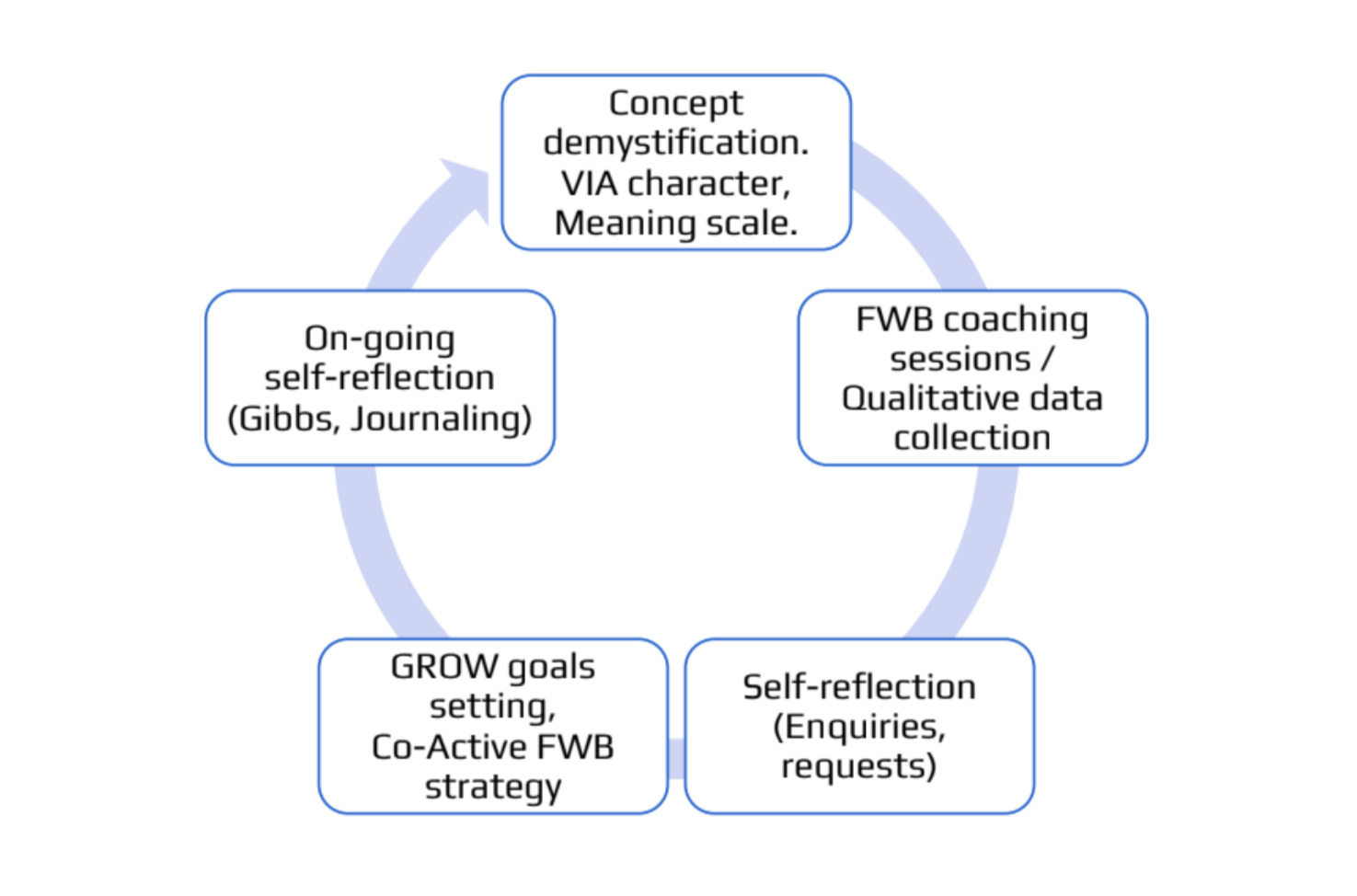
The Financial Well-Being Positive Psychology Coaching (FWB–PPC) Framework addresses the need for an integrated approach to coaching that encompasses both behavioural finance and positive psychology. Grounded in the findings of the IPA study, the framework translates experiential insights into a five-stage conceptual coaching framework. Each stage is aligned with evidence-based techniques and offers a pathway through which individuals may move from financial distress toward financial flourishing.
Figure 2 presents the Financial Well-Being Positive Psychology Coaching (FWB–PPC) Framework, illustrating the five interrelated stages through which financial well-being may be explored and developed within a Positive Psychology Coaching context.
_framework.png)
Stage 1: Concept Demystification
The coaching journey begins with clarifying the meaning of financial well-being for the individual. At this stage, the coach supports the coachee in developing self-awareness around their financial values, strengths, and sources of meaning. To facilitate this process, the coach may introduce validated self-assessment tools such as:
-
The VIA Character Strengths Survey (Peterson & Seligman, 2004) enables coachees to identify and mobilize inner resources—such as prudence, perseverance, or gratitude—in financial contexts.
-
The Meaning in Life Questionnaire (MLQ) (Steger et al., 2006), which supports reflection on purpose, values, and life direction.
These instruments anchor the coaching process in self-awareness and values congruence, allowing financial decisions to be reframed not merely as transactional acts, but as expressions of a meaningful and value-aligned life (Niemiec, 2014; Steger, 2012). This stage reflects participants’ emphasis on clarity, intentionality, and meaning as foundational to positive perceptions of financial well-being.
Stage 2: FWB Coaching Sessions and Reflexive Data Collection
FWB coaching sessions are conceptualized as dynamic, dialogic spaces in which financial narratives, emotions, and behavioural patterns are explored collaboratively. As the coachee reflects on their financial experiences, the coach engages in reflexive practice, attending to metaphors, emotional cues, shifts in language, and decision points.
Consistent with interpretative and reflexive coaching traditions, these observations may be treated as qualitative data that inform subsequent coaching conversations (Drake, 2014; Finlay, 2002). This stage positions the coach as a reflective partner rather than an expert advisor, and the coaching container as a space for pattern recognition, narrative reframing, and emergent learning. The process mirrors participants’ accounts of gaining insight through reflection and dialogue rather than through technical financial instruction alone.
Stage 3: Self-Reflection through Enquiries and Requests
Drawing on principles from Co-Active Coaching, this stage emphasizes powerful enquiries and intentional requests to deepen insight and encourage experimentation (Kimsey-House et al., 2018). Through carefully crafted questions, the coach supports the coachee in exploring underlying beliefs, assumptions, and emotional patterns related to money.
This reflective process may bring to light limiting beliefs, unresolved financial narratives, or inherited “money scripts” that influence present-day behaviour (Klontz & Britt, 2012). Requests invite the coachee to test new ways of thinking or acting, fostering agency and values-aligned choice. This stage reflects participants’ descriptions of financial growth as a process of reframing, learning from experience, and consciously choosing alternative responses to financial challenges.
Stage 4: GROW Goal-Setting and Co-Active FWB Commitment Strategy
Following reflective exploration and insight development, the coach supports the coachee in articulating clear and actionable goals using the GROW model (Goal, Reality, Options, Will; Whitmore, 2009). This process provides structure, direction, and accountability, enabling the coachee to translate insight into intention while remaining grounded in their lived financial context.
Building on this goal-setting phase, the Co-Active FWB Commitment Strategy is introduced as an adapted application of Co-Active Coaching principles and tools (Kimsey-House et al., 2018). Rather than focusing solely on behavioural outcomes, this strategy explicitly integrates action and being (mindset, emotional stance, and way of relating to money), reflecting the study’s finding that sustainable financial well-being emerges from aligning behaviour and psychological orientation.
At this stage, the coach invites the coachee to engage in a structured reflective exercise using a 2 × 2 commitment matrix, organized along two dimensions:
(a) Action vs. Being, and
(b) What the coachee consciously says “YES” to and “NO” to.
Through guided enquiry, the coachee identifies:
-
actions they commit to initiating or continuing,
-
actions they intentionally choose to stop or avoid,
-
ways of being or mindsets they wish to cultivate, and
-
ways of being they consciously release or disengage from.
This process transforms goal clarity into explicit commitment, supporting psychological ownership and self-leadership. Rather than prescribing behaviour, the coach facilitates the coachee’s articulation of personally meaningful commitments, thereby strengthening agency, congruence, and accountability. In this sense, the strategy functions as a commitment-locking mechanism, reinforcing intentional action while anchoring change in values-aligned states of mind.
Consistent with Co-Active principles, the commitment strategy is co-constructed and revisited over time, allowing the coachee to refine commitments as insight deepens. This dual focus on action and being reflects participants’ emphasis on intentional planning, conscious choice, and mindset regulation as central mechanisms underpinning perceived financial well-being (Grant, 2017; Passmore & Fillery-Travis, 2011).
Stage 5: Ongoing Self-Reflection through Gibbs’ Cycle and Journaling
The final stage integrates ongoing reflective practices to support learning consolidation and identity coherence over time. Methods such as Gibbs’ Reflective Cycle (1988) and coaching journals encourage continuous sense-making, emotional processing, and pattern tracking (Moon, 2006).
Through revisiting coaching conversations, reflecting on financial decisions, and monitoring mindset shifts, coachees may strengthen self-regulation and sustain behavioural change. This stage aligns with participants’ accounts of financial well-being as a dynamic, evolving experience rather than a fixed outcome, reinforcing the role of reflection in maintaining long-term financial flourishing.
Summary
Taken together, the FWB–PPC framework offers a conceptual bridge between lived experience, positive self-leadership theory, and Positive Psychology Coaching practice. By operationalizing key psychological mechanisms identified through the IPA study, the framework provides a structured yet flexible approach for exploring and developing financial well-being in coaching contexts. Its contribution lies not in prescribing financial solutions, but in supporting reflective, values-aligned engagement with financial life, thereby laying the groundwork for future empirical testing and applied refinement.
CONCLUSIONS
This study examined an underexplored intersection between positive psychology, self-leadership, and financial well-being using Interpretative Phenomenological Analysis. The findings demonstrate that perceptions of financial well-being are shaped not only by objective financial conditions, but also by psychological resources such as agency, character-based decision-making, social and environmental influences, and future-oriented capacities including hope and optimism. These findings reinforce the view of financial well-being as a subjective and dynamic psychological experience rather than a purely economic outcome.
A key contribution of this study is the development of the Financial Well-Being Positive Psychology Coaching (FWB–PPC) Framework. Grounded in participants’ lived experiences, the framework translates qualitative insights into a structured yet flexible conceptual model for coaching practice. It addresses a gap between theoretical understandings of financial well-being and their application in coaching contexts by positioning financial well-being as a coach-able capacity shaped through reflective awareness, values alignment, and self-leadership.
By integrating principles from positive psychology, positive self-leadership, and established coaching methodologies, the FWB–PPC framework extends the scope of Positive Psychology Coaching into the financial domain while preserving core coaching values such as autonomy, co-construction, and reflective learning. Overall, this study demonstrates the potential of coaching as a meaningful approach to supporting financial flourishing and invites future empirical testing and applied refinement of the proposed framework.
AUTHORS

Dr Sok-Ho Trinh is a business and positive psychologist, executive coach, coaching supervisor, and leadership and organizational development advisor.
He draws on over 20 years of international leadership experience across corporate, higher education, and creative sectors to support leaders and organizations in navigating change with purpose and clarity. His work integrates leadership, psychology, organizational behaviour, and the performing arts, with a particular interest in positive leadership, well-being, and the psychology of passion.
Sok-Ho has held programme leadership and lecturing roles across human resource management, leadership, coaching, psychology, and organizational behaviour. He contributes to both scholarly and practitioner publications, including IKIGAI: A Japanese Approach to Leadership (Wiley, 2026).
A multilingual and multicultural professional, he brings a global, human-centred perspective to leadership, coaching, and organizational development.

Inna Studena is an MSc-qualified business and occupational psychology professional who helps organizations enhance performance, engagement, and well-being through evidence-based psychological principles. With years of international B2B experience and a background in individual counselling and psychological support, she combines commercial insight with coaching and behavioural science to foster psychologically safe, high-performing teams. She is passionate about applying research-driven methods to leadership development, motivation, and well-being strategies that create meaningful organizational change.